


Offshore software development in 2026
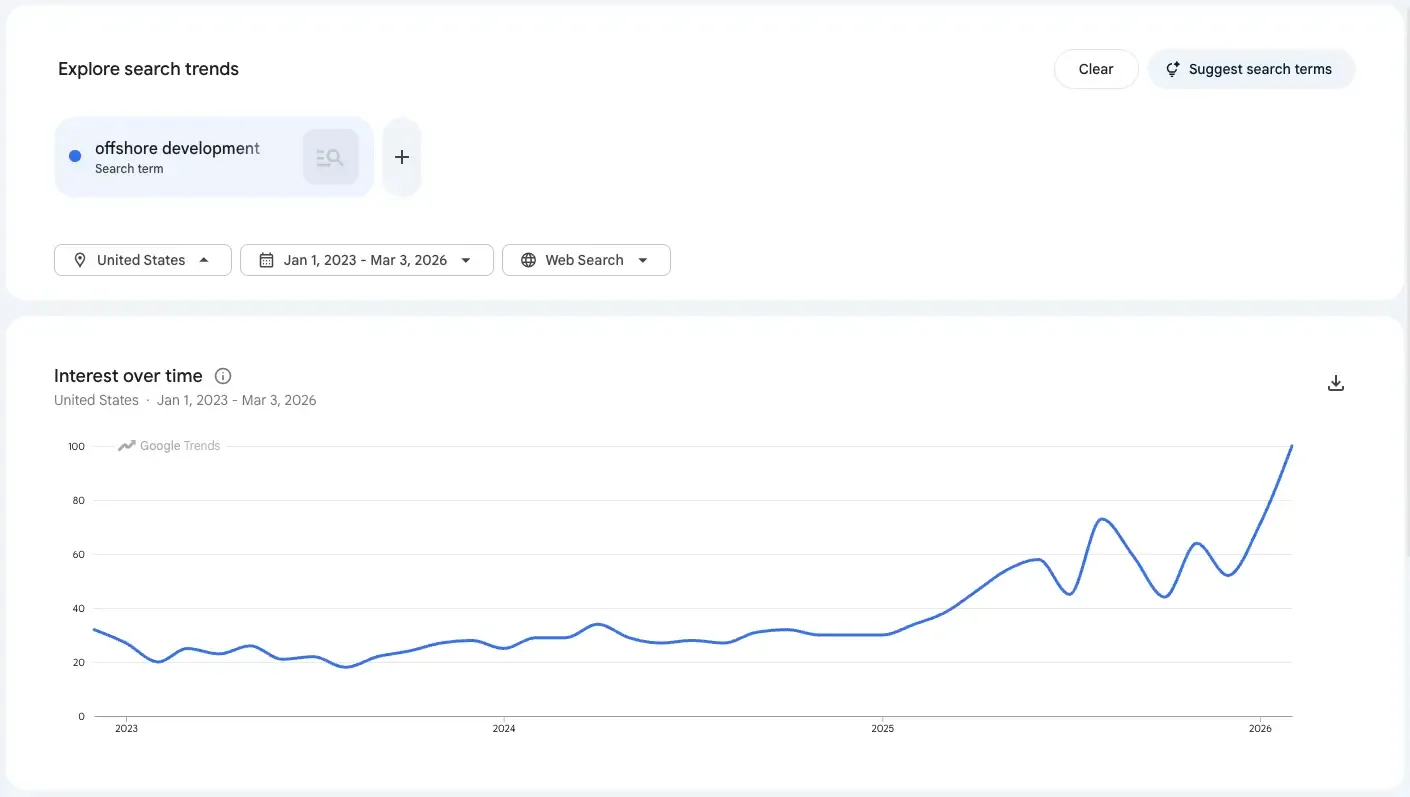
Google Trends shows offshore development peaked in 2026. More businesses are seeking cost-effective, quality engineering talent worldwide, making the offshore model highly relevant and competitive.
However, with increased demand comes an overwhelming number of providers. For example, there are over 5,000 offshore vendors in India alone. Faced with so many options, it is vital to choose wisely. This guide offers five essential tips to help you navigate the offshore landscape and safeguard your project’s success.
What is offshore software development?
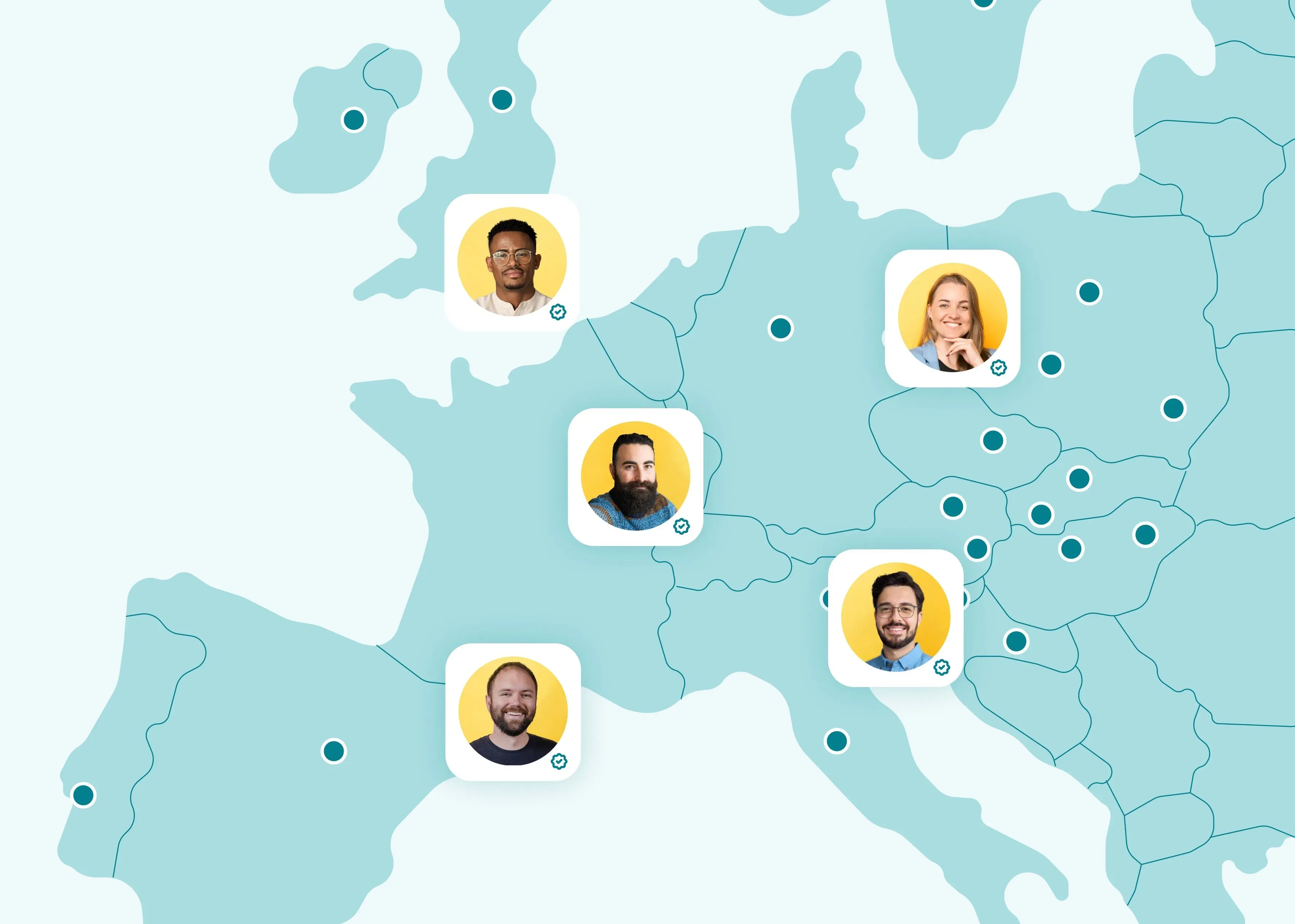
Offshore software development refers to the practice of hiring a third-party company or team, located in a foreign country, to handle your software engineering needs. Unlike onshore or nearshore models, offshore providers are typically in distant time zones and different cultural settings. The main advantages are access to a global talent pool, significant cost savings, and scalability. However, these benefits come with unique challenges, including communication barriers, time zone differences, and the need for strong project management.
Who should consider offshore development?
If you’re an IT director trying to clear your backlog while keeping costs down, or a business owner looking to scale your team without overextending your budget, offshore development may be exactly what you need. Offshore development isn’t just for tech giants or startups with limited resources.
Business owners, IT managers, and agency leaders will find it an appealing solution for:
- SMEs looking to scale without heavy upfront hiring costs
- Enterprises seeking specialized skills or rapid product development
- Startups wanting to extend their runway by leveraging cost advantages
- Digital product agencies that don’t have the budget for an internal tech bench
If your organization values agility, innovation, and cost efficiency, and you are responsible for technology decisions, offshore development can help you address these pain points and unlock new opportunities - provided you approach it strategically.
1. Price matters, but value wins
The principal driver for offshore services is price. Outsourcing to a region with lower labor costs can dramatically reduce your development spend. However, it’s a mistake to treat price as the only criterion:
- Beware of “too good to be true” offers: Ultra-low bids may signal a lack of experience, hidden costs, or subpar quality.
- Compare total cost of ownership: Consider project management, communication overhead, and potential rework costs.
- Prioritize proven providers: Check portfolios, client testimonials, and case studies. A slightly higher rate from a reliable firm often yields better ROI.
- Negotiate clear contracts: Ensure deliverables, timelines, and payment structures are transparent from day one.
In summary, focus on value, not just bottom-line cost, when choosing your offshore partner.
2. Mind the time zone gap
Time zone differences are both a challenge and an opportunity. While asynchronous work can speed up delivery (your offshore team works while you sleep), poor overlap can hinder real-time collaboration. To address this:
- Choose a team with flexible hours: Many top offshore firms offer overlapping work windows for daily stand-ups or urgent issues.
- Leverage project management tools: Platforms like Jira, Slack, and Asana keep everyone aligned regardless of location.
- Set clear expectations: Define response times for emails, support tickets, and code reviews.
- Plan for handoffs: Use time zone differences to your advantage by structuring work in shifts to maintain continuous progress.
The right workflow transforms time zone challenges into productivity gains.
3. Prioritize cultural alignment
Cultural differences impact everything from communication style to problem-solving approaches. Successful offshore partnerships depend on mutual understanding and respect:
- Research work culture: Are you partnering with a team that values direct feedback, or one that prefers a more hierarchical approach?
- Invest in onboarding: Share your company values, communication guidelines, and project goals with the offshore team.
- Celebrate wins together: Recognize achievements across borders to build rapport and motivation.
- Address misunderstandings early: Foster a safe environment for questions and clarification.
Cultural fit fosters trust, reduces friction, and leads to better outcomes.
4. Demand robust support and accountability
Offshore success hinges on ongoing support, not just code delivery. Key considerations include:
- Dedicated project managers: Ensure there’s a single point of contact who understands your business and can escalate issues.
- Transparent reporting: Regular status updates, sprint reviews, and bug tracking are non-negotiable.
- Service-level agreements (SLAs): Define support hours, response times, and warranty periods for delivered code.
- Disaster recovery plans: Ensure your provider can handle unforeseen challenges, from personnel turnover to infrastructure outages.
A proactive support model keeps your project on track and builds long-term confidence.
5. Communication is everything
Nearly every challenge in offshore projects stems from communication issues. To excel, keep this mantra in mind: Channel, Cadence, Clarity. Choose the right channels, establish a regular cadence for updates, and always prioritize clarity in every exchange. This simple guide will keep your team aligned under pressure:
- Establish clear channels: Use email for formal updates, instant messaging for quick queries, and video calls for complex discussions.
- Document everything: Meeting notes, requirements, and code changes should be accessible to all stakeholders.
- Encourage over-communication: It’s better to clarify assumptions early than to fix costly mistakes later.
- Schedule regular check-ins: Weekly or bi-weekly calls keep momentum and allow space for feedback.
Effective communication bridges distance and ensures everyone is working toward the same goal.
Choose wisely and grow fast
Offshore software development offers more opportunities and more providers than ever before. By focusing on value, time zone management, cultural alignment, robust support, and clear communication, you can unlock the true potential of offshore partnerships.
At HighCircl, we specialize in connecting businesses with top offshore engineering talent. Our process emphasizes transparency, cultural fit, and ongoing support, ensuring your project’s success from day one.
Ready to take the next step? If you are a business or technology leader, reach out to learn how HighCircl’s offshore staffing services can help you scale smarter, faster, and with confidence.